
Quick Answer
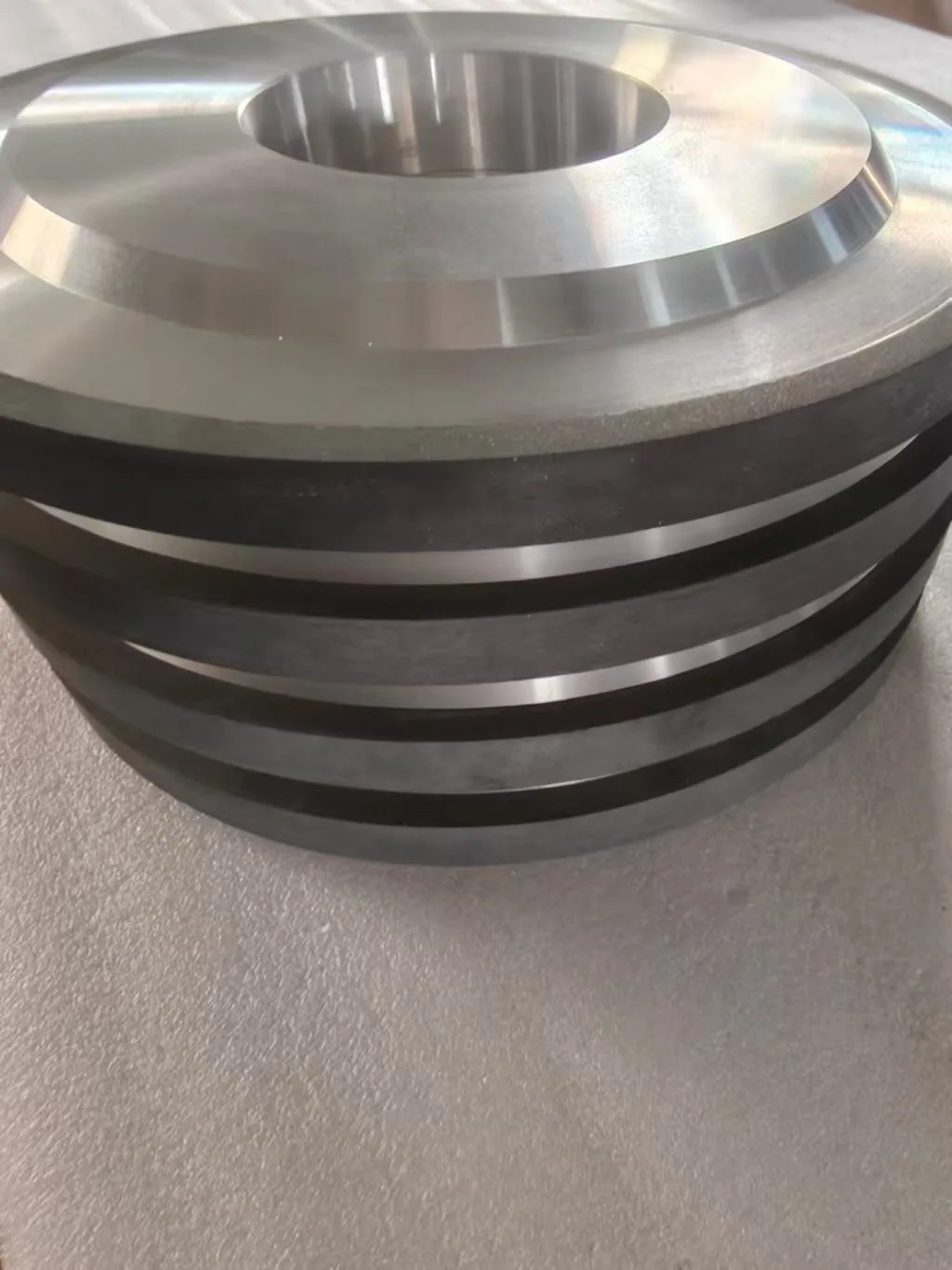
A resin bond diamond wheel usually wears too fast because the wheel specification does not match the grinding condition. The most common issues are bond hardness, grit size, grinding pressure, coolant, wheel speed and material mismatch.
For B2B buyers, the goal is not simply to find a harder wheel. The better goal is to balance wheel life, cutting sharpness, surface finish and cost per part.
Common Causes of Fast Wear
1. Bond Is Too Soft for the Application
Resin bond wheels are selected because they cut sharply and can provide a good finish. But if the bond is too soft for the material and pressure, the diamond layer can break down too quickly.
This often happens in heavy stock removal, aggressive tool grinding or production jobs where the operator is trying to remove material faster than the wheel was designed for.
2. Too Much Grinding Pressure
High pressure may feel productive at first, but it can increase heat and accelerate bond wear. If the wheel face changes shape quickly or the edge rounds over, pressure may be part of the problem.
Instead of increasing pressure, it may be better to adjust grit, bond, coolant or wheel speed.
3. Wrong Grit Size
A grit that is too fine may generate more heat and wear under heavy removal. A grit that is too coarse may leave a finish that requires extra passes. Both situations can reduce practical wheel life.
When requesting a quotation, share whether the job is roughing, semi-finishing or finishing.
4. Poor Coolant or Dry Grinding Heat
Heat can soften the resin bond and shorten wheel life. Coolant flow, coolant direction and coolant concentration matter in production grinding.
If coolant is not available, tell the supplier the process is dry grinding so the wheel can be discussed accordingly.
5. Material Is Better Suited to Another Wheel Type
Resin bond diamond wheels work well for many carbide and hard brittle material applications. However, some operations may need metal bond, electroplated, vitrified or a different diamond wheel structure.
For steel and HSS applications, CBN is often a better abrasive choice than diamond.
What to Check Before Changing Supplier
Before assuming the wheel quality is poor, collect these details:
- Workpiece material
- Wheel diameter, thickness and arbor hole
- Grit size and bond type
- Machine speed and coolant condition
- Grinding pressure and feed
- Current wheel life
- Surface finish target
- Whether the job is roughing or finishing
This information helps separate a wheel-quality issue from an application-matching issue.
When a Custom Wheel May Help
A custom resin bond diamond wheel may help when standard wheels cannot balance:
- Wheel life
- Cutting sharpness
- Heat control
- Profile holding
- Surface finish
- Cost per part
For OEM and repeat buyers, a custom specification can be more economical than repeatedly buying standard wheels that do not match the process.
Related Product Paths
If you are grinding carbide tools or hard brittle materials, start with:
If you need to compare several wheel options, consider the Industrial Sampling Kit.
RFQ Checklist
For a faster review, include:
- Material being ground
- Current wheel specification
- Wear problem description
- Quantity or expected monthly use
- Machine type and coolant condition
- Photo or drawing if available
Use the RFQ form if you want help reviewing the wheel specification.
Ready to move from research to quotation?
If this guide is close to your application, send your wheel size, workpiece material, current grinding issue and expected quantity. We can help confirm the specification before trial or bulk purchase.
Useful buyer details
- - Wheel diameter, thickness and arbor hole
- - Workpiece material and machine model
- - Grit, bond or current wheel problem
- - Trial quantity or repeat order estimate
Related buyer guides
Continue with the closest guide for abrasive choice, application fit or quotation prep.
Troubleshooting · 2026-06-24
Diamond Cutting Wheel Overheating Causes
Learn why diamond cutting wheels overheat, how coolant, feed rate, bond type, grit and material selection affect heat, and when to request an OEM wheel review.
Read Buyer GuideBuying Guide · 2026-06-23
How to Choose Diamond Wheel for Stone Cutting
A B2B buyer guide for choosing diamond wheels for stone cutting, including bond type, grit, segment design, wet or dry use, sample validation and bulk RFQ planning.
Read Buyer GuideBond Type Guide · 2026-01-16
Resin Bond vs Vitrified Grinding Wheels
Understand the difference between resin bond and vitrified grinding wheels for tool grinding, surface grinding and production use.
Read Buyer GuideFAQ
Why does a resin bond diamond wheel wear too fast?
Common causes include using the wrong bond hardness, too much grinding pressure, poor coolant, incorrect grit size, unsuitable wheel speed, or grinding a material that needs a different bond system.
Should I choose a harder resin bond if wheel wear is fast?
Sometimes, but not always. A harder bond may improve wheel life, but it can also reduce cutting sharpness or increase heat if the application needs a more open or sharper wheel.
When should I request a custom resin bond diamond wheel?
Request a custom review when wheel life, heat, finish, profile holding or cost per part are not stable with standard wheels.